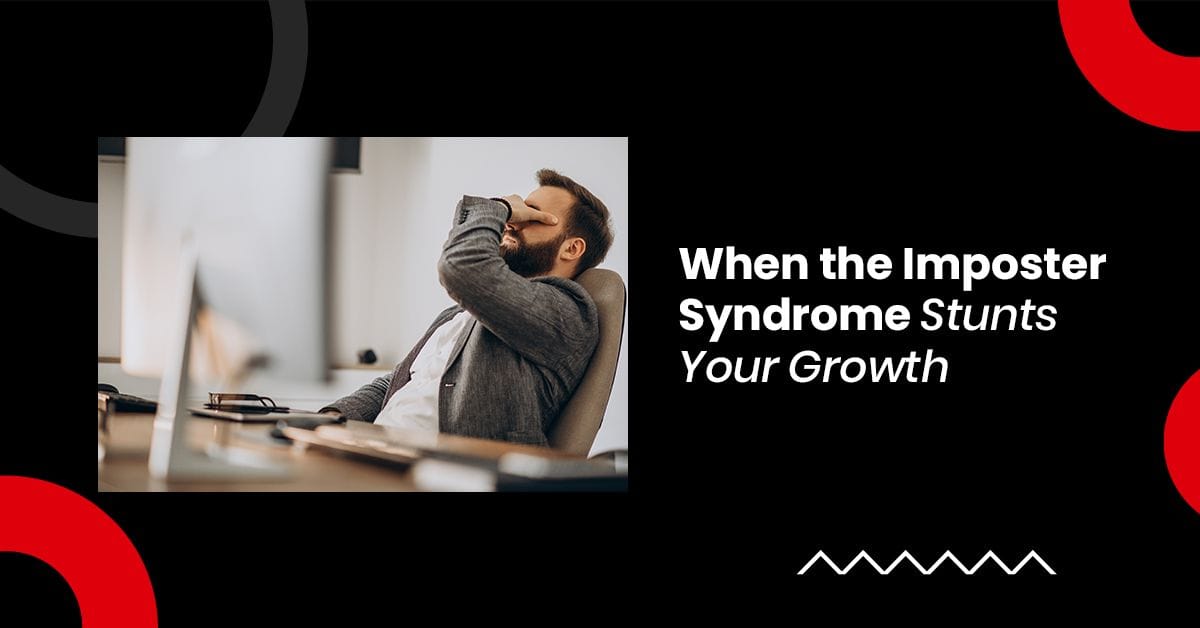
You’ve achieved success, yet a voice inside still whispers, “You’re not good enough.”
Imposter syndrome doesn’t just affect confidence—it quietly holds back your growth, leadership, and potential.
What Is Imposter Syndrome?
Imposter syndrome is the persistent feeling that your success is undeserved, even when your achievements clearly say otherwise. Many high-performers, leaders, and athletes experience it silently while appearing confident on the outside.
It often shows up as:
- Constant self-doubt
- Fear of failure or judgment
- Perfectionism
- Overworking to prove worth
- Difficulty accepting praise
The problem is not lack of capability—it’s the inability to fully believe in it.
How Imposter Syndrome Limits Growth
Growth requires confidence, visibility, and the courage to take risks. Imposter syndrome interrupts all three.
When self-doubt takes over, people begin shrinking themselves without realizing it. They avoid opportunities, second-guess decisions, and stay stuck in cycles of overthinking and fear.
You Start Playing Small
Many talented professionals delay applying for promotions, speaking up in meetings, or stepping into leadership because they feel they are “not ready yet.”
Over time, this mindset limits both career progression and personal fulfillment.
Perfectionism Leads to Burnout
Imposter syndrome often fuels perfectionism. Instead of striving for excellence, individuals begin chasing flawlessness to avoid criticism or failure.
But perfection is unsustainable. It creates stress, anxiety, emotional exhaustion, and burnout.
True high-performance comes from resilience and self-trust—not constant pressure.
The Neuroscience Behind Imposter Syndrome
Imposter syndrome is deeply connected to the brain’s stress and threat-response system.
When the brain perceives failure or judgment as a threat, it triggers fear-based reactions such as overthinking, avoidance, and self-protection behaviors. Over time, these patterns become wired into daily thinking.
The good news is that the brain can change. With intentional mindset work, emotional awareness, and neuroscience-backed coaching, individuals can rewire limiting beliefs and build lasting confidence.
How to Overcome Imposter Syndrome and Reclaim Growth
Overcoming imposter syndrome does not mean eliminating all self-doubt. It means learning how to lead, perform, and grow without being controlled by it.
The first step is awareness. Many high-performers normalize internal criticism for so long that they no longer recognize how much it impacts their decisions and emotional well-being.
The next step is building self-trust.
Self-trust develops when individuals begin aligning their actions with their values instead of their fears. This includes setting healthier expectations, challenging limiting beliefs, regulating stress responses, and creating evidence of competence through consistent action.
Growth also becomes more sustainable when people stop tying their worth to perfection or external validation.
Shift From Proving to Purpose
A powerful transformation happens when individuals stop asking:
“Am I enough?”
And start asking:
“What impact do I want to create?”
Purpose-driven leadership creates clarity, resilience, and emotional grounding. It shifts the focus from constant self-evaluation toward meaningful contribution and aligned growth.
Why High Performers Need Support, Not More Pressure
Many ambitious professionals believe they need to push harder to overcome imposter syndrome. In reality, most need support, reflection, and strategies that address the root cause of the mindset pattern.
Coaching, leadership development, and neuroscience-backed performance work can help individuals identify subconscious barriers, strengthen emotional intelligence, and create lasting behavioral change.
The goal is not perfection. The goal is sustainable confidence, aligned leadership, and the ability to perform without abandoning your well-being.
Final Thoughts
Imposter syndrome can stunt growth not because you lack talent, but because fear convinces you to hold back.
The most successful leaders are not the ones who never doubt themselves—they are the ones who continue growing despite uncertainty.
When you stop trying to prove your worth and start leading from purpose, confidence becomes sustainable, authentic, and transformative. Book a free consultation with us to start your journey.
Your highest potential is my passion, so let’s unleash it together!
-Coach Susan

Susan Hobson
CEO & Founder of Elite High Performance Inc | High Performance Leadership Coach
Susan Hobson is a High-Performance Leadership Coach, published author, keynote speaker, and Founder & CEO of Elite High Performance Inc. She co-hosts The Leadership Launchpad Project podcast, ranked the #3 leadership podcast in Canada by Feedspot for two consecutive years. A member of the Forbes Coaches Council, Susan blends neuroscience with her first-hand experience competing at Princeton, Harvard, and in the NWHL to help leaders unlock sustainable peak performance.